

Many people believe that Insomnia is purely a physical problem. But in reality, sleep is deeply connected to the emotional and mental state. When mental wellness is compromised — by stress, anxiety, emotional overload, or unresolved inner conflict — sleep is often the first area to suffer.
A calm, balanced mind creates the internal conditions needed for deep, restorative sleep. Emotional turbulence, on the other hand, keeps the nervous system on constant alert.
What Is Mental Wellness?
Mental wellness is not simply the absence of mental illness. It refers to a state of emotional balance, clarity, resilience, and psychological safety. A mentally well person can:
- Process emotions in healthy ways
- Handle stress without becoming overwhelmed
- Maintain emotional flexibility
- Feel safe within their own body and mind
- Transition naturally between activity and rest
When mental wellness is strong, sleep flows more easily. When it is strained, insomnia often appears.
The Direct Link Between Emotional Imbalance and Insomnia
Unprocessed or suppressed emotions do not disappear at night. They often become louder in silence. Emotional imbalance contributes to insomnia through:
- Persistent worry and anxiety
- Overthinking and rumination
- Emotional suppression during the day
- Fear of rest or loss of control
- Internal pressure to perform
At bedtime, when distractions fade, the emotional mind takes center stage. If emotional tension remains unresolved, the body stays alert and sleep is blocked.
How Insomnia Damages Mental Wellness
Insomnia does not only result from emotional imbalance — it also creates emotional imbalance. When sleep becomes irregular, the brain loses one of its most powerful tools for emotional processing.
Chronic insomnia may lead to:
- Lower emotional resilience
- Increased irritability
- Heightened anxiety
- Negative thinking loops
- Reduced ability to cope with stress
- Feeling emotionally overwhelmed
This creates a self-reinforcing loop: emotional imbalance causes insomnia, and insomnia deepens emotional imbalance.
The Nervous System as the Bridge Between Emotions and Sleep
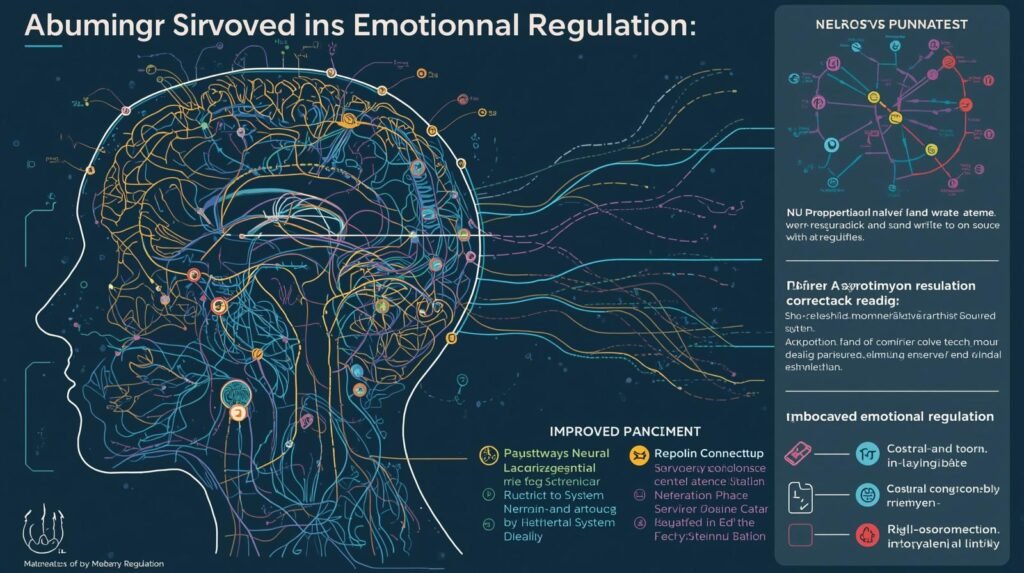
Mental wellness and sleep are both regulated by the nervous system. When the nervous system feels safe, the mind relaxes. When it feels threatened, the mind stays on high alert.
For many people with insomnia, the nervous system has forgotten how to fully shift out of survival mode. Emotional regulation becomes difficult, and sleep remains shallow or elusive.
Restoring mental wellness is, in many ways, about teaching the nervous system how to feel safe again.
Emotional Patterns That Commonly Fuel Insomnia
Certain emotional patterns are especially linked to chronic insomnia:
- Perfectionism and fear of failure
- Chronic self-criticism
- Emotional suppression
- Unresolved grief or trauma
- Constant mental pressure
- Fear of losing control
These patterns keep the brain active long after the body is ready to rest.
How to Support Mental Wellness for Better Sleep
Improving mental wellness does not require perfection. Small daily practices gradually reshape the mind’s relationship with rest.
1. Emotional Awareness
Simply noticing how you feel without judging it reduces internal resistance. Awareness alone often softens emotional tension.
2. Healthy Emotional Expression
Journaling, prayer, therapy, or open conversation allows emotional energy to move rather than remain trapped.
3. Setting Mental Boundaries at Night
Giving yourself permission to stop solving problems after a certain hour protects the mind from nighttime overload.
4. Cultivating Psychological Safety
Gentle routines, consistent rhythms, and compassionate self-talk signal safety to the nervous system — a prerequisite for sleep.
Why Mental Wellness Is Not a “Luxury” for Insomnia Recovery
Many people try to solve insomnia exclusively through physical interventions. While helpful, these approaches may fail if the emotional and mental foundation remains unstable.
Mental wellness is not optional in sleep recovery — it is central. When emotional balance improves, sleep often follows without struggle.
When Mental Wellness Begins to Return, Sleep Changes
As emotional regulation improves, many people notice:
- A softer transition into sleep
- Fewer nighttime awakenings
- Less fear around bedtime
- Greater morning clarity
- Reduced emotional reactivity during the day
These are powerful signs that the insomnia cycle is weakening.
Final Thoughts: Emotional Balance Is the Soil Where Sleep Grows
Insomnia does not thrive in emotional safety. It thrives in fear, pressure, suppression, and overload. When emotional balance returns, the mind no longer needs to stay on guard at night.
Mental wellness is not about controlling thoughts — it is about cultivating enough inner safety that thoughts no longer disturb sleep.
When the mind feels safe, the body finally lets go.
And when the body lets go, sleep arrives naturally.