
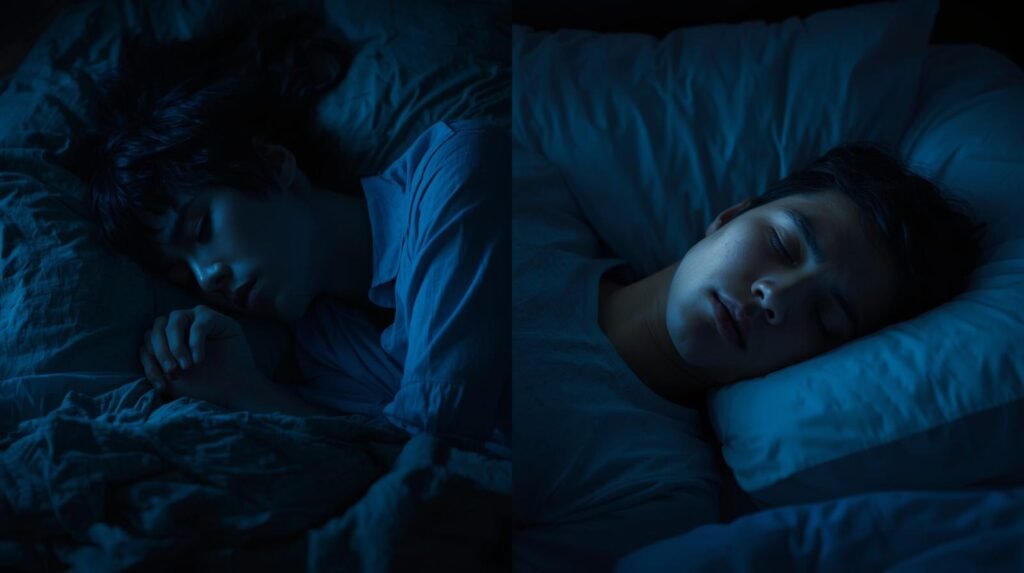
Insomnia is often the first sign that something is out of balance in the body. While many people think insomnia is a condition by itself, in reality, it is frequently linked to broader sleep disorders that interfere with the natural sleep cycle. Understanding these disorders is the first step toward restoring healthy, deep, and restorative sleep.
Millions of adults worldwide struggle with poor sleep without realizing that an underlying sleep disorder may be the real cause of their ongoing insomnia.
What Are Sleep Disorders?
Sleep disorders are conditions that disturb normal sleep patterns. They affect how long you sleep, how deeply you sleep, and how rested you feel after waking up. When left unaddressed, these disorders often lead to chronic insomnia, fatigue, and poor mental and physical performance.
Some people suffer for years without proper identification because symptoms may appear gradually and are often mistaken for stress or lifestyle issues.
The Most Common Sleep Disorders Linked to Insomnia
Several sleep disorders are strongly associated with insomnia. The most common include:
1. Chronic Insomnia Disorder
This occurs when difficulty falling asleep or staying asleep becomes persistent for three months or longer. It is often linked to stress, anxiety, depression, or irregular sleep habits.
2. Circadian Rhythm Disorders
These disorders happen when the body’s internal clock is out of sync with the environment. Night shift work, jet lag, or irregular sleep schedules can trigger insomnia by confusing the brain’s natural sleep signals.
3. Restless Sleep Patterns
Some people move, toss, or turn constantly during the night, preventing deep sleep phases. Even if they sleep for many hours, the brain never fully rests.
4. Stress-Induced Sleep Disorders
Chronic stress overstimulates the nervous system and keeps the body trapped in “alert mode,” making true relaxation and deep sleep almost impossible.
Key Signs You May Have a Sleep Disorder
If insomnia has become part of your routine, your body may be signaling a deeper sleep issue. Common signs include:
- Difficulty falling asleep most nights
- Waking up multiple times during the night
- Feeling exhausted even after 7–8 hours in bed
- Daytime fatigue and concentration problems
- Mood swings, irritability, or anxiety
- Dependence on caffeine to function
When these symptoms persist, they often indicate that insomnia is being driven by an underlying disorder rather than simple sleep habits.
How Sleep Disorders Affect the Body and Brain
Long-term sleep disorders and insomnia impact nearly every system in the body. Over time, they may lead to:
- Weakened immune defenses
- Increased stress hormone levels
- Reduced memory and learning ability
- Poor emotional regulation
- Low motivation and productivity
- Greater vulnerability to burnout
Deep sleep is essential for brain detoxification, tissue repair, and hormonal balance. When deep sleep stages are lost, the body cannot fully reset.
Natural Approaches to Managing Sleep Disorders and Insomnia
While medical care is sometimes necessary, many people successfully improve sleep disorders and insomnia with natural strategies that support the body’s own regulation systems.
1. Resetting the Biological Clock
Consistent sleep and wake times are one of the most powerful tools for correcting circadian rhythm disruptions.
2. Supporting Nervous System Balance
Relaxation practices, breathing techniques, meditation, and calming nighttime rituals help shift the body out of chronic alert mode.
3. Reducing Evening Stimulation
Limiting bright lights, intense media, and stimulating conversations in the evening supports natural melatonin production.
4. Improving the Sleep Environment
Darkness, silence, cool temperatures, and comfortable bedding dramatically improve sleep quality.
5. Emotional and Mental Regulation
Reducing worry, mental overload, and unresolved emotional tension often leads to significant improvement in insomnia symptoms.
Why Insomnia and Sleep Disorders Often Coexist
Sleep disorders and insomnia are deeply interconnected. A sleep disorder can trigger insomnia, and long-term insomnia can also create secondary sleep disorders. This is why simply trying to “sleep harder” rarely works.
True improvement happens when the root cause is addressed rather than only the symptom.
Final Thoughts: Better Sleep Starts With Better Awareness
Sleep disorders are far more common than most people realize, and insomnia is often the visible signal that something deeper is happening within the body and mind. The encouraging truth is that many sleep disorders respond very well to natural lifestyle adjustments, nervous system regulation, and consistent sleep routines.
When the body feels safe, calm, and balanced, sleep begins to return naturally.
Restoring healthy sleep means restoring health, clarity, emotional strength, and daily performance.